
Holdings were reduced by US$138.4 billion in a single month! Epic sell-off in U.S. debt, gold the biggest winner
- 2026-05-20
- Posted by: CD Markets
- Category: Featured solutions

The CD Markets macro research team relies on its self-built global central bank position tracking system, real interest rate calculation model and geo-risk quantification system, combined with the latest TIC report of the U.S. Treasury Department and market high-frequency data analysis to believe that the current epic sell-off in U.S. debt triggered by the U.S.-Iran conflict is completely reshaping the logic of global asset pricing. Different from the general market perception, the core of this round of U.S. debt adjustment is the resonance of energy inflation stickiness, US dollar credit instability and stagflation risk. Gold is switching from an "interest rate sensitive asset" to a "credit hedging asset", showing strong resilience and long-term upward momentum.
1. The essence of the U.S. debt sell-off: not a victory of austerity, but a credit rift
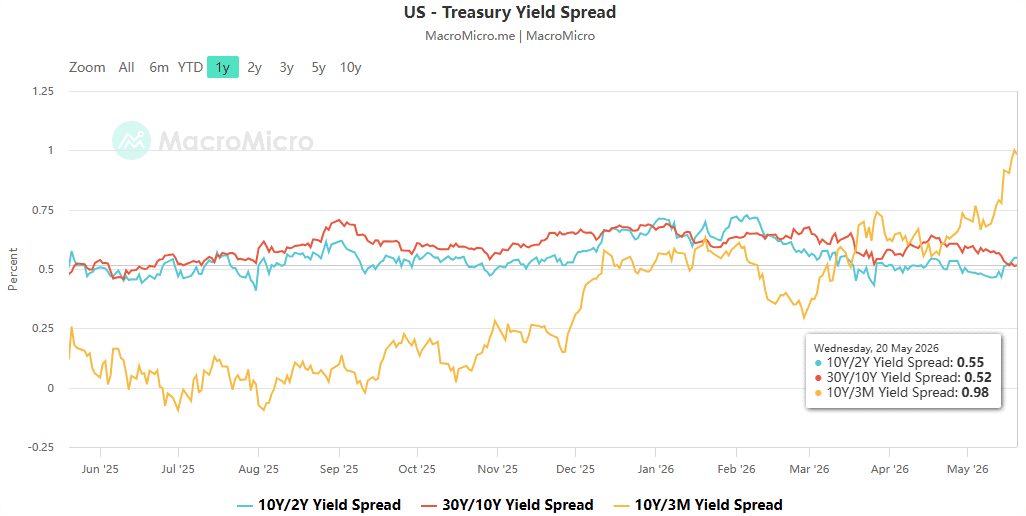
The intensity of this round of U.S. debt selling has reached a historic level: in March 2026, overseas investors reduced their holdings by US$138.4 billion in a single month, the second highest in history; Japan reduced its holdings by US$35.3 billion, and China reduced its holdings by US$18.9 billion, with their positions falling to new lows in the past three years and since the 2008 financial crisis respectively. The yield on the 30-year U.S. Treasury note exceeded 5% and hit a high of 5.197%, a new high since July 2007.
CD Markets emphasized that the rise in U.S. bond yields is not a victory for the Fed’s tightening. The two major contradictions behind it constitute the core support of gold:
- Passive selling dominates: The reduction of global central bank holdings stems from the demand for exchange rate intervention and the panic about valuation losses. The plummeting price of U.S. debt has formed a negative feedback of "passive reduction → price drop → further reduction of positions", which essentially reflects the decline in the safety of U.S. dollar assets.
- Inflation drives yields higher: This round of rising yields is mainly driven by inflation expectations and term premiums. The U.S. CPI in April was 3.8% year-on-year, and the PPI was 1.4% month-on-month. Oil prices remained at a high of $110/barrel. The rise in nominal interest rates was not as fast as the stickiness of inflation. The cost of gold holdings has not increased substantially.
2. The four core drivers of the gold market: the underlying logic of strength against the trend
Under the dual pressure of U.S. bond yields exceeding 5% and the strengthening of the U.S. dollar index, gold remains fluctuating at high levels, driven by the combined effect of four core driving forces:
- De-dollarization is accelerating, and the central bank’s gold purchase is the ballast stone for growth.
In the first quarter of 2026, global central banks’ net purchases of gold were 228 tons, marking 15 consecutive quarters of net purchases, with central banks in emerging markets being the main force. CD Markets judged that de-dollarization has shifted from "tactical adjustment" to "strategic consensus". As the ultimate reserve asset without sovereign credit risk, gold's allocation value continues to increase. - Geographical conflicts escalate and the risk of stagflation heats up across the board
The conflict between the United States and Iran has entered its third month, and the Strait of Hormuz has been effectively closed, posing a serious threat to global oil supply. The CD Markets geo-risk index rose to 211.48, and the threat sub-category reached 261.74, both at historical highs. High energy prices are forming a closed loop of stagflation of "rising inflation → economic slowdown", and stagflation is the macro environment in which gold performs best. - Fed policy expectations are poor: there is limited space to raise interest rates, and a shift may occur at any time
Although the market expects that the probability of raising interest rates before the end of 2026 is over 80%, CD Markets believes that the Fed’s room to raise interest rates is extremely limited. U.S. economic growth is highly dependent on AI investment, and high interest rates have hit real estate and small and medium-sized enterprises. If the 30-year U.S. bond yield exceeds 5.5%, it will trigger systemic risks and the Federal Reserve will be forced to stop raising interest rates or even cut interest rates, becoming a catalyst for gold's rise. - Risk assets are under pressure, and safe-haven funds are flowing into gold
The surge in U.S. bond yields has suppressed global risk asset valuations, and the sustainability of the stock market rebound is in doubt. The holdings of the world's largest gold ETF-SPDR have increased by nearly 50 tons in the past month, reflecting that institutional investors are systematically increasing their gold allocations to hedge the dual risks of stocks and bonds. - Gold market trend outlook: short-term shocks, medium-term upward trend
Short term (1-3 months): High volatility, focus on the 5.5% U.S. Treasury yield mark
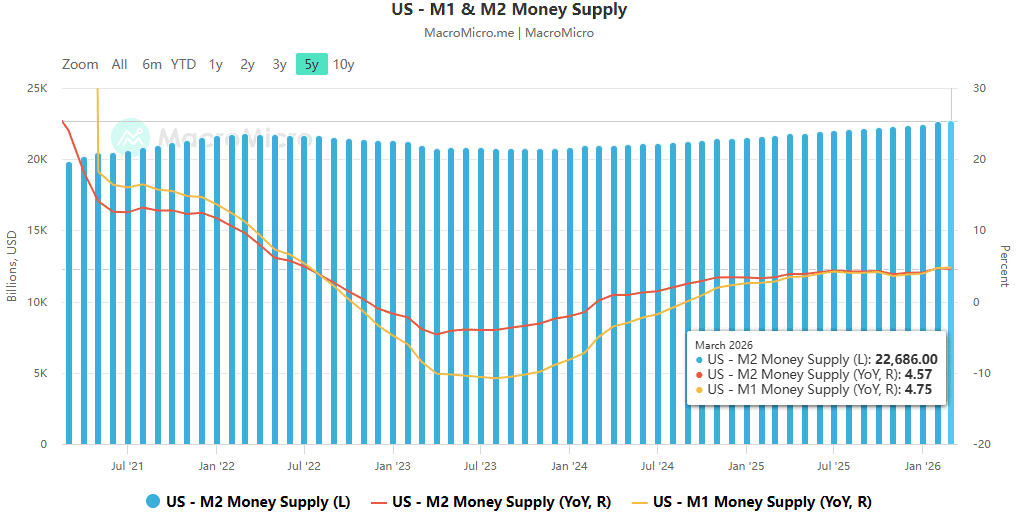
There is still room for U.S. bond yields to rise, and there is a high probability of testing the 5.5% mark. If it breaks through quickly, gold may experience a short-term correction of 5%-8%, but central bank gold purchases and safe-haven demand will provide strong support.
Focus on three major events: Warsh’s first inauguration on May 22, the Bank of Japan’s interest rate meeting in June, and the evolution of the situation in the Strait of Hormuz.
Mid-term (6-12 months): Break through the previous high and start a new round of rise
As downside risks to the U.S. economy emerge, the Federal Reserve's interest rate hike cycle is coming to an end, and expectations for interest rate cuts are rising. Coupled with continued de-dollarization and intractable geopolitical conflicts, gold will break through all-time highs with a target price of $2,800-3,000 per ounce.
4. CD Markets investment advice and risk warnings
- Configure policy: Adopt the strategy of “adding positions on dips”, gradually build positions in the range of 2400-2450 US dollars per ounce, and hold them for the medium and long term.
- Variety selection: Give priority to allocating physical gold and gold ETFs. Those with high risk tolerance can appropriately participate in futures options.
- Hedging portfolio: Increase gold allocation ratio to 15%-20% to hedge stock, bond and foreign exchange market risks
- The Federal Reserve raises interest rates more than expected, and U.S. bond yields exceed 5.5%
- The conflict between the United States and Iran suddenly eased, and oil prices fell sharply
- Severe global economic recession triggers systemic liquidity crisis
CD Markets always adheres to a cross-market research framework with data as the core, providing investors with forward-looking judgments and implementable allocation suggestions, and seizing deterministic opportunities amid market fluctuations.

 English
  Chinese
  Vietnamese
  Hindi
Hindi  Japanese
  Thai
Thai  Korean